Here's how weathering and gradation are related:
1. Weathering Prepares Materials for Gradation:
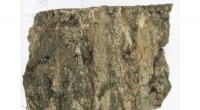
Weathering processes such as temperature changes, freeze-thaw cycles, chemical reactions, and biological activities break down larger rocks and minerals into smaller fragments and particles. These smaller particles then become more susceptible to erosion and transportation by agents of gradation.
2. Gradation Facilitates Further Weathering:
As agents of gradation, such as rivers, glaciers, wind, and waves, transport weathered materials, they collide and rub against each other, causing further physical breakdown. This process, known as abrasion, enhances the rate of weathering by exposing more surfaces to weathering agents.
3. Weathering Products Influence Gradation Processes:
The nature and composition of weathered materials can influence the rate and nature of gradation processes. For example, the presence of clay minerals in weathered materials can make them more cohesive and resistant to erosion, while sand and gravel are more easily transported and sorted by flowing water.
4. Feedback between Weathering and Gradation:
The relationship between weathering and gradation is often a positive feedback loop. Weathering processes create materials that are more susceptible to gradation, which in turn exposes fresh surfaces to weathering agents, leading to further weathering. This continuous cycle shapes the Earth's landscape over time.
5. Role of Climate and Topography:
Climate and topography play significant roles in determining the intensity and nature of weathering and gradation. In areas with high rainfall, chemical weathering is more prominent, while in arid regions, physical weathering processes like freeze-thaw cycles become more important. Similarly, steep topography enhances erosion and transportation, while gentle slopes favor the accumulation of weathered materials.
Examples of Weathering and Gradation Interactions:
- River Systems: In river systems, weathering processes break down rocks and soils in upland areas, creating sediment. The flowing water then transports and deposits these sediments downstream, shaping river channels and floodplains.
- Coastal Environments: Along coastlines, weathering processes such as salt spray, wave action, and temperature changes break down coastal rocks. The resulting materials are then transported and deposited by waves and currents, forming beaches, dunes, and other coastal landforms.
- Glacial Environments: In glaciated regions, weathering by freeze-thaw cycles and the abrasive action of moving ice break down rocks and produce glacial sediments. These sediments are then transported by glaciers and deposited as moraines and other glacial landforms.
Understanding the relationship between weathering and gradation is essential in various fields such as geology, geomorphology, and environmental science. It helps scientists and researchers comprehend the evolution of landscapes, predict natural hazards such as landslides and floods, and manage natural resources related to sediment transport and deposition.