One of the ways that climate change is impacting aardvarks is by changing the availability of their food sources. Aardvarks are insectivores, and they rely on termites and other insects for food. However, climate change is causing changes in the distribution and abundance of these insects, which is making it harder for aardvarks to find food.
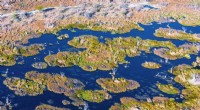
Climate change is also affecting the aardvarks' water sources. Aardvarks need to drink water every day, but climate change is causing many of their watering holes to dry up. This is forcing aardvarks to travel farther in search of water, which puts them at risk of being killed by predators or becoming dehydrated.
In addition to these challenges, aardvarks are also being affected by habitat loss. Their habitat is being cleared for agriculture, development, and mining. This is fragmenting the aardvark population and making it harder for them to find food and mates.
The aardvark is a unique and threatened species that is facing many challenges from climate change. By studying aardvark poop, scientists are able to gain insights into how the aardvarks are being affected by climate change and develop strategies to conserve them.