Drought:
- Extreme Conditions: California is currently experiencing extreme drought conditions, with over 95% of the state in some level of drought, according to the U.S. Drought Monitor. The drought is characterized by below-average precipitation levels and low water reservoir storage.
- Statewide Water Restrictions: State officials have implemented water restrictions and regulations to conserve water amid the drought. Urban water suppliers are required to reduce water use by specified amounts compared to previous years. Many cities and counties have also imposed additional water restrictions on residents and businesses.
- Impacts on Agriculture: The drought is having a severe impact on California's agricultural sector. Farmers are struggling with reduced water allocations, affecting crop production. Fruit, vegetable, and livestock farmers are particularly vulnerable, facing potential crop failures and financial losses.
- Groundwater Depletion: Groundwater sources, vital for agricultural irrigation and drinking water supply, are being rapidly depleted due to over-pumping amidst the drought. This raises concerns about the long-term sustainability of groundwater resources.
- Water Emergencies: Some regions in California have declared water emergencies, requesting state assistance and calling on residents to further conserve water. Emergency measures may include increased restrictions on outdoor water use and penalties for non-compliance.
Heat Wave:
- High Temperatures: A record-breaking heat wave gripped California in late June and early July, with temperatures reaching triple digits (Fahrenheit) across much of the state. Cities like Death Valley and Sacramento hit all-time high temperature records.
- Health Risks: The extreme heat poses health risks, especially for vulnerable populations such as the elderly, young children, and those with underlying health conditions. Heat-related illnesses, including heat stroke and heat exhaustion, require immediate medical attention.
- Increased Energy Demand: The heat wave has led to a surge in energy demand as people rely more heavily on air conditioning and other cooling devices. This strain on the power grid has resulted in rolling blackouts in certain areas to prevent outages.
Wildfires:
- Elevated Risk: California is at high risk of wildfires due to the current drought and hot weather conditions. Dry vegetation and low humidity create favorable conditions for fires to start and spread rapidly.
- Active Wildfires: Several sizeable wildfires have already occurred or are ongoing across the state. These fires have burned thousands of acres of land, destroyed homes and structures, and prompted evacuations.
- Firefighting Efforts: Firefighters, supported by aerial resources and ground crews, are battling the wildfires to contain their spread and protect communities. Resources are being stretched thin due to the simultaneous occurrence of multiple large-scale fires.
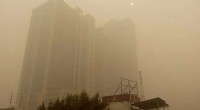
- Smoke Impacts: Smoke from the wildfires has caused air quality issues, affecting visibility and posing respiratory health hazards. Air quality alerts have been issued, and residents are advised to stay indoors and avoid outdoor activities when air quality is poor.
The California drought and heat wave, combined with the high risk of wildfires, pose significant challenges for the state. Conservation efforts, heat-related precautions, and wildfire preparedness are crucial to mitigate the impacts and protect public safety.