INTRODUCTION:
Vanuatu, an archipelago nation in the South Pacific, stands as a poignant example of how climate change does not just impact the environment, but also erodes human rights on a profound scale. This article explores the detrimental effects of rising seas and changing weather patterns on the fundamental rights and well-being of the people of Vanuatu.
HUMAN RIGHTS IMPACTED BY CLIMATE CHANGE:
1. RIGHT TO LIFE: Rising sea levels threaten the very existence of low-lying islands, forcing entire communities to relocate. This disruption not only uproots people from their homes and ancestral lands but also jeopardizes their physical safety and their right to life.
2. RIGHT TO ADEQUATE HOUSING:
Coastal erosion due to increased storm surges destroys homes and infrastructure. As communities are displaced, the lack of adequate housing leads to overcrowded and unsanitary living conditions, hindering the right to safe and dignified housing.
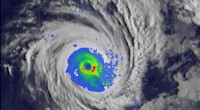
3. RIGHT TO HEALTH: Changing weather patterns, including more frequent and intense cyclones, result in increased flooding, which contaminates water sources and disrupts healthcare services. The spread of waterborne diseases and limited access to healthcare facilities compromise the right to physical and mental health.
4. RIGHT TO EDUCATION:
Extreme weather events damage or destroy schools, interrupting the education of children and youth. Prolonged school closures hinder cognitive development and reduce opportunities for future employment, affecting the right to education and limiting future prospects.
5. RIGHT TO FOOD: Climate change wreaks havoc on agricultural productivity and marine ecosystems. Reduced crop yields and dwindling fish stocks make it difficult for people to access sufficient and nutritious food, violating their right to adequate food.
6. RIGHT TO CULTURE:
For indigenous communities in Vanuatu, their cultural practices and traditions are closely tied to their natural surroundings. Climate-induced displacement and loss of traditional livelihoods damage cultural identity and erode the right to cultural heritage.
CHALLENGES AND OPPORTUNITIES:
The government of Vanuatu and international organizations face enormous challenges in addressing these climate-induced human rights violations. Immediate steps must be taken to mitigate greenhouse gas emissions and provide support for affected communities. Simultaneously, initiatives to promote sustainable livelihoods, disaster preparedness, and climate change adaptation are crucial. Empowering local communities to participate in decision-making and implementing solutions that respect their rights and traditions is essential for long-term resilience and justice.
CONCLUSION:
Climate change is not merely an environmental issue; it has profound implications for human rights. The people of Vanuatu serve as a poignant reminder of the urgent need for collective action to address climate change and its devastating impact on human rights. By safeguarding their rights, we not only protect the future of Vanuatu but also uphold the principles of justice and equity that are fundamental to a sustainable and humane world.