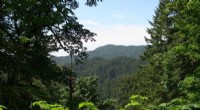
Protecting the Amazon rainforest is important for a number of reasons. The Amazon rainforest is the largest rainforest in the world, covering an area of over 5.5 million square kilometers (2.1 million square miles). It is home to an estimated 10 percent of the world's known species, and plays a vital role in regulating the Earth's climate and providing oxygen and rainfall for the region.
However, the Amazon rainforest is under threat from deforestation, which is primarily caused by logging, cattle ranching and agriculture. Deforestation has a number of negative consequences, including the release of greenhouse gases into the atmosphere, the loss of biodiversity and the displacement of indigenous peoples.
There are a number of ways that the international community could help to protect the Amazon rainforest. One option is to provide financial assistance to countries in the Amazon region to help them develop sustainable development policies and practices. Another option is to support international agreements and initiatives that are aimed at reducing deforestation and promoting sustainable forest management.
Ultimately, the decision of whether or not to protect the Amazon rainforest is a complex one that must take into account a variety of factors. However, given the importance of the Amazon rainforest to the global climate and environment, it is clear that the international community has a vested interest in helping to protect it.