Background:
Anthropogenic land cover change, driven by human activities such as urbanization, agriculture, and deforestation, has significantly altered the Earth's ecosystems. These changes have created new habitats and modified existing ones, presenting both opportunities and challenges for species colonization. Understanding the patterns and mechanisms of species colonization in human-modified landscapes is essential for predicting and managing ecological change.
Research Objectives:
This study aims to investigate how species colonize habitats opened up by anthropogenic land cover change. Specifically, the researchers seek to address the following questions:
1. Which species are more likely to successfully colonize new habitats created by land cover change?
2. What are the key factors that influence colonization success, such as species traits, landscape connectivity, and environmental conditions?
3. How do colonization dynamics vary across different types of land cover change, such as urbanization, agriculture, and forestry?
4. What are the ecological implications of species colonization in human-modified landscapes, including potential impacts on biodiversity, ecosystem functioning, and ecosystem services?
Methods:
The study will employ a combination of field observations, experimental manipulations, and spatial analyses to examine species colonization in human-modified landscapes. The research design will include:
1. Field surveys to document species occurrence and abundance in different habitats affected by land cover change.
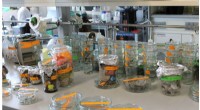
2. Experimental manipulations to assess the effects of specific factors, such as habitat fragmentation and resource availability, on colonization success.
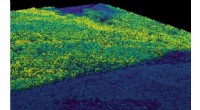
3. Spatial analyses using remote sensing data and landscape ecology techniques to quantify landscape connectivity and identify potential dispersal corridors.
4. Statistical modeling to identify key drivers of colonization success and predict species responses to future land cover changes.
Expected Outcomes:
The study is expected to provide valuable insights into the mechanisms and consequences of species colonization in human-modified landscapes. The outcomes will contribute to a better understanding of:
1. The ecological consequences of land cover change, including impacts on species distributions, community composition, and ecosystem dynamics.
2. The identification of key species and habitats that are vulnerable to land cover change, aiding in conservation planning and management.
3. The development of predictive models to anticipate species responses to future land cover changes, informing land use planning and policy.
The findings will advance our knowledge of how species adapt to and interact with changing environments and provide practical guidance for mitigating the negative impacts of anthropogenic land cover change on biodiversity and ecosystem functioning.