Some of the ways that our diet can influence environmental impact include:
1. Greenhouse gas emissions
The production of food is a major source of greenhouse gas emissions, which contribute to climate change. Animal agriculture is particularly emissions-intensive, as it requires large amounts of land, water, and energy. For example, beef production emits more greenhouse gases than any other type of food.
2. Water use
Food production also requires a lot of water. In fact, agriculture accounts for about 70% of global water withdrawals. The water footprint of a food item is the amount of water used to produce it, from the point of production to the point of consumption. For example, the water footprint of a glass of milk is about 300 gallons, while the water footprint of a cup of coffee is about 100 gallons.
3. Land use
The production of food also requires a lot of land. In fact, agriculture accounts for about 38% of global land use. The land footprint of a food item is the amount of land used to produce it, from the point of production to the point of consumption. For example, the land footprint of a pound of beef is about 100 square feet, while the land footprint of a loaf of bread is about 1 square foot.
4. Biodiversity loss
The production of food can also lead to biodiversity loss. For example, the clearing of forests for agriculture can destroy habitat for wildlife. The use of pesticides and herbicides can also harm wildlife.
5. Pollution
The production of food can also lead to pollution. For example, the runoff from fertilized fields can pollute waterways, and the use of pesticides and herbicides can contaminate soil and water.
6. Food waste
Food waste is a major problem that also contributes to environmental impact. Food waste occurs at all stages of the food system, from production to consumption. In the United States, for example, about 30% of all food produced is wasted. Food waste can lead to increased greenhouse gas emissions, water use, and land use. It can also contribute to pollution.
Making sustainable food choices
We can all make a difference in reducing the environmental impact of our diets by making sustainable food choices. Here are a few tips:
7. Eat more plant-based foods
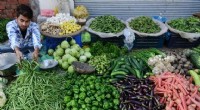
Plant-based foods have a lower environmental impact than animal-based foods. For example, fruits and vegetables emit fewer greenhouse gases and require less water and land than meat and dairy products.
8. Choose organic foods
Organic foods are produced without the use of pesticides, herbicides, and other synthetic chemicals. This can help to reduce pollution and protect wildlife.
9. Buy local foods
Buying local foods can help to reduce greenhouse gas emissions and support local farmers.
10. Reduce food waste
We can all help to reduce food waste by planning our meals ahead of time, buying only the food we need, and storing food properly.
By making these sustainable food choices, we can all help to reduce our environmental impact and create a healthier planet.