Vulnerability:
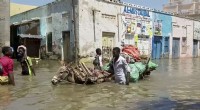
1. Increased Vulnerability: The report highlights that due to climate change, people and ecosystems around the world are increasingly vulnerable to extreme weather events, sea-level rise, and other climate impacts.
2. Regional Variations: Vulnerability to climate change varies across regions and populations. Developing countries and communities that rely heavily on climate-sensitive sectors, such as agriculture or tourism, are generally more vulnerable.
3. Socioeconomic Factors: Socioeconomic factors, such as poverty, inequality, and lack of access to resources and services, can exacerbate vulnerability to climate impacts.
4. Health Impacts: Climate change is intensifying health risks, including heat-related illnesses, the spread of vector-borne diseases, and mental health impacts due to extreme events and displacement.
5. Ecosystems and Biodiversity: Many terrestrial, freshwater, and coastal ecosystems are already experiencing significant impacts from climate change, threatening biodiversity and ecosystem services that support human well-being.
Adaptation:
1. Urgency of Adaptation: The report emphasizes that adaptation is necessary and urgent to address the current and projected impacts of climate change.
2. Multiple Benefits: Adaptation measures often provide multiple benefits, such as reducing vulnerability to extreme events, improving public health, and promoting sustainable development.
3. Importance of Indigenous Knowledge: The IPCC report recognizes the importance of incorporating indigenous and local knowledge in climate adaptation strategies, as they can contribute to more effective and sustainable outcomes.
4. Technological and Nature-based Solutions: Technology transfer, investment in renewable energy, and the implementation of nature-based solutions (e.g., conserving forests and wetlands) are essential for adaptation.
5. Mainstreaming and Financing: Adaptation should be mainstreamed into all sectors of society and governments, with sufficient financing and resources allocated for implementation.
6. Just Transition: The transition to climate resilience and low-carbon pathways must be managed in a way that ensures a just and equitable distribution of costs and benefits, particularly for vulnerable groups and communities.
7. Limits to Adaptation: While adaptation is crucial, there are limits to its effectiveness, especially for extreme levels of climate change and certain high-risk situations, underscoring the importance of ambitious climate mitigation actions.
Overall, the IPCC report highlights the urgent need to prioritize adaptation and reduce vulnerability to climate impacts. It emphasizes the significance of equitable, ambitious, and transformative adaptation efforts, integrating both technological and nature-based solutions, to build a more resilient and sustainable future for all.