1. Infrastructure Resilience: Strengthen and upgrade critical infrastructure, such as roads, bridges, buildings, energy networks, and water supply systems, to withstand extreme weather events, rising sea levels, and other climate-related impacts.
2. Water Resource Management: Develop efficient water conservation measures, enhance water storage and distribution systems, and implement drought-resistant practices in agriculture to cope with changing precipitation patterns and water scarcity.
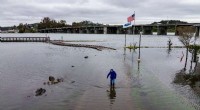
3. Coastal Protection: Construct natural buffers like mangroves and wetlands, build sea walls, and implement managed retreat strategies to protect coastal communities from sea level rise and storm surges.
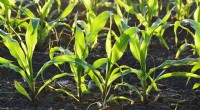
4. Resilient Agriculture: Promote sustainable farming practices, including crop diversification, precision agriculture, and agroforestry, to adapt to changing climatic conditions, pests, and diseases.
5. Forest Conservation: Protect and expand forest areas, as forests act as carbon sinks and play a vital role in regulating climate and providing ecosystem services.
6. Urban Adaptation: Design cities and urban areas to be more resilient, with strategies like green infrastructure, urban heat island mitigation, and public transportation to reduce emissions and enhance livability.
7. Renewable Energy Transition: Accelerate the shift towards renewable energy sources like solar, wind, and hydro, reducing reliance on fossil fuels and decreasing greenhouse gas emissions.
8. Research and Innovation: Invest in research to improve our understanding of climate change impacts and develop innovative solutions for adaptation.
9. Disaster Preparedness: Strengthen disaster risk management systems, including early warning systems, emergency response plans, and community resilience programs, to respond effectively to extreme weather events.
10. Education and Awareness: Promote climate change education and awareness to encourage individual and collective action in adopting sustainable practices and reducing emissions.
11. Collaborative Partnerships: Foster collaboration between governments, businesses, civil society organizations, and local communities to implement effective climate adaptation strategies.
12. Ecosystem-Based Adaptation: Utilize natural ecosystems and biodiversity for adaptation, such as restoring wetlands to mitigate flood risks or using green infrastructure to regulate temperatures.
13. Policy Development: Develop and implement policies that support adaptation efforts, including land-use planning, climate-resilient building codes, and incentives for sustainable practices.
14. Financial Mechanisms: Establish funding mechanisms and investments in adaptation projects, prioritizing vulnerable communities and developing countries that face the most severe climate impacts.
15. International Cooperation: Strengthen international cooperation and solidarity, particularly in supporting developing countries that may have limited resources for adaptation and mitigation.
By implementing these adaptation measures, societies can increase resilience, reduce risks, and enhance their capacity to cope with the challenges brought by climate change.