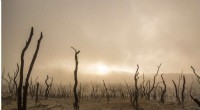
1. Drought is a cumulative phenomenon: Droughts develop over a period of time, typically months or even years, as a result of below-average precipitation. A few days or even weeks of rain or snow may not be enough to offset the accumulated precipitation deficit and fully replenish water resources.
2. Geographical variation in precipitation: California is a large and geographically diverse state, with different regions experiencing varied weather patterns. While some areas may receive significant precipitation, others may continue to be dry. The distribution of precipitation during these events may not be sufficient to mitigate drought conditions statewide.
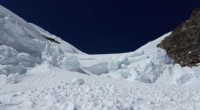
3. Snowpack and runoff: While mountain snowpack can provide important water storage during the winter months, it does not directly end a drought. The snow needs to melt and contribute to streamflow and reservoir levels, which can take time and depend on factors such as temperature, wind, and humidity.
4. Groundwater depletion: During prolonged droughts, groundwater levels can be depleted significantly. Replenishing groundwater requires consistent and sustained precipitation over a longer period.
5. Water demand: California has a high population and diverse water needs, including agriculture, industry, and urban use. Even with significant precipitation, the demand for water can exceed the available supply during a drought.
6. Long-term trends: Droughts can be part of natural climate cycles, and their duration is influenced by factors such as atmospheric conditions, ocean temperatures, and climate change. While recent precipitation events can provide relief, they may not be enough to reverse long-term trends and alleviate the underlying drought conditions.
Therefore, while rain and snow are positive developments and beneficial for water conservation efforts, it is important to remember that ending a drought requires sustained precipitation and comprehensive water management strategies beyond short-term weather fluctuations.