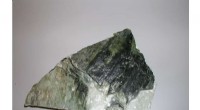
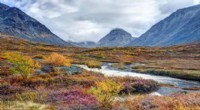
* Mosses and lichens: These simple plants can survive in extremely cold and dry conditions. They grow on rocks and soil, and can photosynthesize even in low light levels.
* Nematodes: These tiny worms live in the soil and feed on bacteria and other microorganisms. They can survive freezing temperatures by entering a state of dormancy.
* Tardigrades: Tardigrades are microscopic animals that can survive extreme conditions, including freezing temperatures, high pressure, and even the vacuum of space. They do this by entering a state of suspended animation, in which their metabolism slows down to almost zero.
* Springtails: Springtails are small, wingless insects that live in the soil and leaf litter. They can survive freezing temperatures by producing a protein that prevents their body fluids from freezing.
* Mites: Mites are tiny arachnids that can survive in a variety of habitats, including Antarctica. They feed on other small invertebrates, and can survive freezing temperatures by entering a state of dormancy.
These species were able to survive the ice age by adapting to the extreme conditions. They developed mechanisms to tolerate freezing temperatures, low light levels, and lack of food. As a result, they were able to persist in Antarctica even when the rest of the continent was covered in ice.