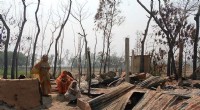
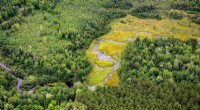
The researchers found that human activities have had a significant impact on the structure of forests, with the most pronounced effects seen in regions with high human population density and intense land use. In these regions, forests tended to be fragmented and have a lower density of trees, with smaller trees and less diverse tree species. The researchers also found that the effects of human activities were more pronounced in tropical forests than in temperate forests.
The study's findings highlight the importance of considering human activities when managing forests. The researchers suggest that forest management strategies should take into account the potential impacts of human activities on forest structure and biodiversity, and that efforts should be made to mitigate these impacts.
* Human activities have had a significant impact on the structure of forests around the world.
* The most pronounced effects of human activities were seen in regions with high human population density and intense land use.
* In these regions, forests tended to be fragmented and have a lower density of trees, with smaller trees and less diverse tree species.
* The effects of human activities were more pronounced in tropical forests than in temperate forests.
The study's findings have important implications for forest management. The researchers suggest that forest management strategies should take into account the potential impacts of human activities on forest structure and biodiversity, and that efforts should be made to mitigate these impacts. This could include measures such as:
* Reducing deforestation and forest fragmentation
* Promoting sustainable land use practices
* Protecting old-growth forests
* Restoring degraded forests
By taking these measures, we can help to ensure that forests continue to provide a wide range of benefits to people and the environment.