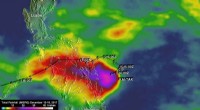
1. La Nina: La Nina, a natural climate pattern in the Pacific Ocean, is largely responsible for the shift in weather patterns. It's characterized by cooler than usual ocean temperatures, which affects atmospheric circulation patterns. Typically, La Nina winters lead to drier conditions in the northern United States, including New York.
2. Jet Stream Disturbance: The polar jet stream, a high-altitude air current, typically guides weather systems across the country. During the winter, the jet stream usually steers storms toward the Northeast, bringing snow and precipitation. However, this year, the jet stream has been disrupted, taking storms further north.
3. Absence of Nor'easters: Nor'easters, strong storms that originate off the coast of the Mid-Atlantic, often bring significant snowfall to the Northeast. However, the positioning of the jet stream and other weather patterns has prevented these storms from impacting the New York area directly this winter.
4. Warm Temperatures: Unseasonably high temperatures throughout the winter have also played a role in the lack of snow. The warmer temperatures can melt any snowfall that does occur, leading to minimal accumulation.
Impact on New Yorkers:
The scarcity of snow has various impacts on New Yorkers:
1. Recreation: Snowfall plays a vital role in winter activities such as skiing, snowboarding, and sledding. Without adequate snow, these outdoor pursuits become limited, disappointing many residents.
2. Landscape and Wildlife: The lack of snow affects the local environment. Some plants and animals rely on snow cover for insulation, and its absence can disrupt their natural cycles and habitats.
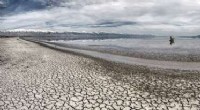
3. Water Supply: Snow acts as a natural reservoir, releasing water slowly during the spring and summer months. Its absence can contribute to water shortages if spring and summer precipitation are also low.
4. Public Works and Infrastructure: Less snowfall means less need for snowplows and other snow removal efforts, potentially leading to cost savings for municipalities.
Long-Term Implications:
The limited snowfall in New York raises questions about the long-term impact of climate change on the region. While individual weather patterns cannot be directly attributed to climate change, ongoing trends indicate a pattern of milder winters, which could potentially lead to reduced snowfall in the future.