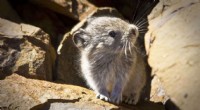
In addition to their excellent hearing, giant-faced owls also have a number of other adaptations that help them hunt for voles in the snow. Their feathers are white, which helps them to blend in with the snow-covered landscape. They also have long legs and toes that help them to walk on top of the snow without sinking in.
Here is a more detailed explanation of how giant-faced owls use their hearing to snag voles hidden in snow:
1. The owl first hears the vole under the snow.
2. The owl turns its head to face the sound source.
3. The owl uses its ears to pinpoint the exact location of the vole.
4. The owl dives down and uses its talons to dig into the snow and capture the vole.
Giant-faced owls are very successful predators, and they are able to catch a large number of voles each year. This helps to control the vole population and prevent them from becoming a pest to farmers and other landowners.