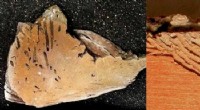
* Angular Fragments: Unlike conglomerate, which has rounded fragments, breccia's fragments are sharp and jagged. This suggests they haven't been transported far before being lithified (turned to rock).
* Cementing Material: The fragments are bound together by a matrix of minerals precipitated from water that seeped through the rock. Common cements include calcite, silica, and iron oxides.
How is Breccia Formed?
Breccia forms in a variety of ways:
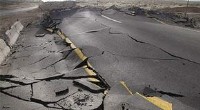
* Faulting: When rocks are broken by tectonic forces, the angular fragments are often cemented together to form breccia.
* Landslides and Rockfalls: The rapid movement of rock debris can create breccia deposits.
* Volcanic Activity: Breccia can form around volcanic vents from the accumulation of broken rock fragments.
* Impact Events: Meteorite impacts can generate breccia from the pulverized rock.
Types of Breccia:
There are several types of breccia based on their origin:
* Fault Breccia: Formed along faults.
* Sedimentary Breccia: Formed by the accumulation of rock fragments.
* Volcanic Breccia: Formed from volcanic eruptions.
* Impact Breccia: Formed from meteorite impacts.
Key Characteristics of Breccia:
* Angular fragments
* Wide range of grain sizes
* Can be various colors
* Can be found in various geological settings