1. Magma Formation: Deep beneath the Earth's surface, in the mantle, intense heat melts rock, creating magma. This molten rock is less dense than the surrounding solid rock, causing it to rise.
2. Plate Tectonics: The Earth's crust is made up of large, moving plates called tectonic plates. When these plates collide, one plate can be forced beneath the other in a process called subduction. The descending plate melts, creating magma.
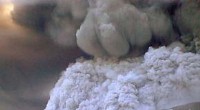
3. Volcanic Eruptions: As magma rises, it can break through the Earth's surface in a volcanic eruption. This eruption can be explosive or effusive, depending on the viscosity (thickness) of the magma.
4. Building the Mountain: The ejected material from eruptions, including lava flows, ash, and volcanic bombs, accumulates around the vent, forming a cone-shaped mountain.
5. Types of Volcanoes: The shape and type of volcanic mountain are determined by the type of magma and the way it erupts.
* Shield volcanoes: These are large, gently sloping volcanoes formed by the eruption of very fluid lava flows, like the ones found in Hawaii.
* Cinder cones: These are small, steep-sided volcanoes formed by the eruption of explosive, pyroclastic material.
* Stratovolcanoes (composite volcanoes): These are large, cone-shaped volcanoes formed by alternating layers of lava flows and pyroclastic material. They are known for their explosive eruptions, like Mount Fuji and Mount Vesuvius.
In Summary: Volcanic mountains are formed by the accumulation of volcanic material ejected during eruptions, which are driven by the movement of magma from the Earth's mantle to the surface. The process is influenced by plate tectonics and the composition of the magma.