1. The Primordial Soup and the Origin of Life:
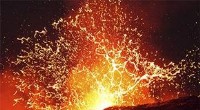
* Early Earth's Environment: The early Earth was a harsh and volatile place with intense volcanic activity, frequent meteor impacts, and a very different atmosphere than today. This environment contained the basic building blocks of life, such as amino acids and nucleic acids, which are thought to have formed through abiotic processes (non-living processes).
* The "Primordial Soup": Scientists believe that these organic molecules accumulated in pools of water, creating a "primordial soup" where early forms of life could have emerged.
* RNA World Hypothesis: Some theories suggest that RNA, not DNA, was the primary form of genetic material in early life. RNA has a simpler structure than DNA and can act as both a carrier of genetic information and a catalytic enzyme.
2. The Importance of Water:
* Liquid Water: The presence of liquid water is essential for life as we know it. It acts as a solvent for chemical reactions, helps transport nutrients, and plays a crucial role in regulating temperature.
* Oceans and Early Life: The early oceans provided a stable environment where life could develop and diversify. The first life forms are believed to have emerged in the oceans.
3. The Evolution of Photosynthesis:
* Early Photosynthesis: The emergence of photosynthesis, a process that uses sunlight to convert carbon dioxide and water into energy and oxygen, was a pivotal moment in Earth's history.
* Oxygenation of the Atmosphere: Photosynthetic organisms gradually released oxygen into the atmosphere, transforming it from a reducing atmosphere (low in oxygen) to an oxidizing one. This change had a profound impact on the evolution of life, paving the way for the development of more complex organisms that could use oxygen for respiration.
4. Plate Tectonics and Continental Drift:
* Shifting Continents: Plate tectonics, the movement of Earth's tectonic plates, led to the formation of continents and mountain ranges. This movement also changed the distribution of land and ocean, influencing the evolution of species by creating new environments and isolating populations.
* Climate Change: Continental drift also influenced climate patterns and global temperatures, creating new challenges for life and driving further adaptation.
5. The Role of Mass Extinctions:
* Catastrophic Events: Throughout Earth's history, there have been numerous mass extinction events caused by factors such as asteroid impacts, volcanic eruptions, and climate change.
* Adaptive Radiations: While these events wiped out many species, they also opened up opportunities for the survivors to diversify and evolve into new niches, leading to bursts of evolution known as adaptive radiations.
In Summary:
The formation of Earth, its early environment, and its ongoing geological processes have all played vital roles in shaping the course of evolution. From the initial emergence of life in the primordial soup to the evolution of complex ecosystems and the diversity of life we see today, the history of our planet is inextricably linked to the history of life.