The Forces of Erosion:
* Weathering: This is the breakdown of rocks into smaller pieces. It can happen through:
* Physical Weathering: Freezing/thawing cycles (water expands when it freezes, cracking rocks), wind abrasion, and even plant roots breaking rocks.
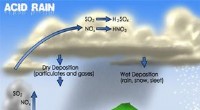
* Chemical Weathering: Acid rain, oxidation (rusting), and the dissolving of certain minerals by water.
* Erosion: This is the transport of the broken-down rock fragments. Major players in erosion include:
* Gravity: Rocks tumble down slopes.
* Water: Rivers, streams, and rain carry away rock debris.
* Wind: Wind picks up and carries sand and dust.
* Glaciers: Massive ice sheets carve out valleys and transport enormous amounts of rock.
How Mountains Become Plains:
1. Uplift: Mountains are created by tectonic plate collisions, pushing up the Earth's crust. This initial uplift sets the stage for erosion.
2. Weathering and Erosion: Once mountains are formed, they are exposed to the elements. Weathering breaks down the rock, and erosion carries the debris away.
3. Transportation and Deposition: Eroded material is transported by rivers, glaciers, wind, and gravity, eventually being deposited in lower areas, like valleys and plains.
4. Gradual Lowering: Over millions of years, this constant process of weathering, erosion, and deposition wears down mountains, gradually transforming them into flatter landscapes like plains.
Factors Affecting Erosion:
* Climate: Wet, humid climates promote chemical weathering and faster erosion.
* Rock Type: Some rocks are more resistant to weathering than others.
* Slope: Steeper slopes lead to faster erosion.
* Vegetation: Plant roots help stabilize soil and slow down erosion.
The Time Scale:
It's important to remember that mountain erosion is a very slow process. It can take millions of years for mountains to be eroded into plains.
Examples:
* The Appalachian Mountains in North America are significantly lower and more rounded than they were millions of years ago due to erosion.
* The Himalayas, while still very high, are being eroded by glaciers, rivers, and wind, slowly shaping the landscape.
Let me know if you have any other questions!