1. The Great Oxidation Event (GOE):
* This period, starting around 2.4 billion years ago, saw a dramatic increase in atmospheric oxygen levels. This was due to the evolution of oxygen-producing cyanobacteria, which used photosynthesis to release oxygen as a byproduct.
* The rising oxygen levels led to the oxidation of dissolved iron in the oceans, forming iron oxide deposits (banded iron formations). This left more free calcium available in the water, which could then be used by organisms like stromatolites to build their calcium carbonate shells and skeletons.
2. Evolution of Photosynthetic Organisms:
* The emergence and diversification of photosynthetic organisms like cyanobacteria provided a continuous source of calcium carbonate. These organisms used carbon dioxide from the atmosphere and dissolved calcium in the water to build their calcium carbonate shells and skeletons.
* The accumulation of these shells and skeletons over time resulted in the formation of limestone deposits.
3. Climate and Ocean Chemistry:
* The GOE also influenced global climate. Oxygenation of the oceans and atmosphere led to increased weathering of rocks on land, releasing more calcium into the oceans.
* This, combined with the rising levels of dissolved carbon dioxide from volcanic activity, created favorable conditions for calcium carbonate precipitation and limestone formation.
4. Plate Tectonics:
* Changes in plate tectonics, like the formation of new ocean basins and volcanic activity, also contributed to the abundance of calcium in the ocean.
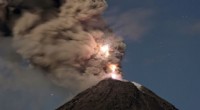
* Volcanic activity released carbon dioxide into the atmosphere, which then dissolved into the oceans, influencing ocean chemistry and encouraging limestone formation.
Overall, the increased oxygen levels, evolution of photosynthetic organisms, and changing climate and ocean chemistry all contributed to the rise of limestone deposits around 1.8 billion years ago. This event marked a significant turning point in Earth's history and had profound implications for the development of life and the global environment.