1. Metamorphism:
* Heat and Pressure: When sedimentary rocks are buried deep within the Earth, they are subjected to intense heat and pressure. This can cause changes in their mineral composition, texture, and structure.
* Types of Metamorphic Rocks: This process can create metamorphic rocks like:
* Slate: Formed from shale.
* Marble: Formed from limestone.
* Quartzite: Formed from sandstone.
2. Melting and Igneous Formation:
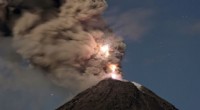
* Extreme Heat: Under extreme heat and pressure, sedimentary rocks can melt and transform into magma.
* Cooling and Solidification: When magma cools and solidifies, it forms igneous rocks.
* Types of Igneous Rocks: This process can create igneous rocks like:
* Granite: Formed from the slow cooling of magma.
* Basalt: Formed from the rapid cooling of lava.
Here's a simplified explanation:
* Sedimentary Rock (e.g., sandstone) gets buried deeper and deeper in the Earth.
* Heat and pressure increase, causing the sandstone to change into a metamorphic rock (e.g., quartzite).
* If the temperature increases even further, the quartzite can melt into magma.
* When the magma cools and solidifies, it forms an igneous rock (e.g., granite).
It's important to note that:
* The rock cycle is a continuous process. Rocks can transform back and forth between sedimentary, metamorphic, and igneous states.
* The specific conditions and length of time required for each transformation vary greatly.
* These processes happen over long periods of geological time, often millions of years.