1. Shaping Landforms:
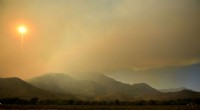
* Mountains: Erosion carves out valleys, canyons, and peaks, creating the dramatic features of mountain ranges. Glaciers, rivers, and wind all contribute to this shaping.
* Rivers and Lakes: Erosion forms riverbeds, meanders, and floodplains. Rivers carve out canyons and valleys, and their sediment deposits create deltas at their mouths. Lakes are also shaped by erosion, with their shorelines constantly changing.
* Coastal Areas: Waves, tides, and currents erode coastlines, creating cliffs, beaches, and inlets. This dynamic process leads to the formation of sandbars, spits, and barrier islands.
* Deserts: Wind erosion is dominant in deserts, shaping dunes and eroding rock formations. This creates distinctive landscapes characterized by sculpted mesas, arches, and canyons.
2. Impact on Soil:
* Loss of Fertility: Erosion removes topsoil, which is rich in nutrients essential for plant growth. This loss of fertility can lead to decreased agricultural productivity.
* Sedimentation: Eroded soil carried by rivers can end up in lakes, rivers, and oceans, where it can negatively impact aquatic ecosystems by smothering fish eggs and blocking sunlight.
* Desertification: Extreme erosion can lead to desertification, where fertile land is transformed into barren desert. This is a serious threat to food security and biodiversity.
3. Impacts on Human Infrastructure:
* Damage to Buildings and Roads: Erosion can undermine foundations, erode roads, and cause landslides, leading to infrastructure damage and safety hazards.
* Flooding: Erosion can contribute to flooding by increasing the amount of sediment in waterways, which can impede water flow and cause rivers and streams to overflow their banks.
* Water Contamination: Erosion can carry pollutants, such as pesticides and fertilizers, into waterways, contaminating water sources.
4. The Role of Humans:
* Deforestation: Clearing forests exposes soil to erosion, as trees help hold soil in place with their roots.
* Agriculture: Intensive farming practices, such as tilling and monoculture, can lead to soil degradation and increased erosion.
* Urbanization: Construction and development can disrupt natural drainage patterns, increasing runoff and erosion.
5. Mitigating Erosion:
* Reforestation: Planting trees helps stabilize soil and reduce erosion.
* Conservation Farming: Techniques such as no-till farming, crop rotation, and cover cropping help protect soil and reduce erosion.
* Terracing: Building terraces on hillsides can slow down runoff and reduce erosion.
* Riprap: Placing rocks along shorelines can protect them from erosion by waves.
Understanding the impacts of erosion is crucial for sustainable land management. By implementing strategies to mitigate erosion, we can protect our valuable soil resources, ensure food security, and preserve the beauty of our landscapes.