1. Divergent Plate Boundaries:
* Mid-ocean ridges: When oceanic plates pull apart, magma rises from the mantle to fill the gap, creating new oceanic crust. This process creates a series of cracks and fissures known as rift valleys on the ocean floor.
* Continental rifts: When continental plates pull apart, the crust thins and stretches, leading to the formation of rift valleys on land. The East African Rift Valley is a prime example.
2. Transform Plate Boundaries:
* Fault lines: When plates slide past each other horizontally, friction causes the crust to break, forming faults which are essentially large cracks in the Earth's surface. The San Andreas Fault in California is a famous example.
3. Convergent Plate Boundaries:
* Subduction zones: When one plate dives beneath another, the overriding plate can experience bending and fracturing as it is pushed upwards. This process can create deep trenches and volcanic arcs.
* Collision zones: When two continental plates collide, the immense pressure causes folding and faulting within the crust, creating mountain ranges like the Himalayas.
4. Other Factors:
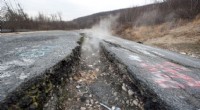
* Volcanic activity: The immense pressure from rising magma can create cracks and fissures in the Earth's surface.
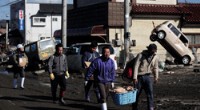
* Earthquakes: The sudden movement along fault lines can cause the Earth's surface to crack and fracture.
In summary, plate tectonics drive the formation of cracks in the Earth's surface through various processes at different plate boundaries.