1. Weathering:
* Physical Weathering: The breakdown of rocks into smaller pieces without changing their chemical composition. Examples include:
* Frost wedging: Water seeps into cracks, freezes, expands, and breaks the rock apart.
* Thermal expansion and contraction: Rocks expand in heat and contract in cold, causing them to break over time.
* Abrasion: Rocks grind against each other, creating smaller fragments.
* Chemical Weathering: The breakdown of rocks through chemical reactions, changing their composition. Examples include:
* Dissolution: Rocks like limestone dissolve in acidic rainwater.
* Oxidation: Iron in rocks reacts with oxygen, creating rust and weakening the rock.
2. Erosion:
* Water erosion: Flowing water carries away weathered rock fragments, carving out valleys, canyons, and gullies.
* Wind erosion: Wind carries sand and dust, abrading rocks and creating sand dunes.
* Glacial erosion: Moving ice sheets carve out valleys, leaving behind U-shaped valleys and cirques.
3. Tectonic Activity:
* Folding: Pressure from the Earth's crust causes rock layers to bend and fold, creating mountains and valleys.
* Faulting: Breaks in the Earth's crust, where rocks slide past each other, can create mountains or depressions.
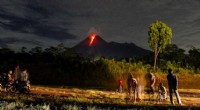
* Volcanism: Volcanic eruptions deposit lava and ash, building up mountains over time.
4. Mass Wasting:
* Landslides: Rapid movement of rock, soil, and debris down a slope, often triggered by heavy rain or earthquakes.
* Creep: Slow, continuous movement of soil and rock downslope due to gravity.
5. Biotic Factors:
* Plant roots: Plant roots can wedge into cracks in rocks, breaking them apart.
* Animals: Animals can burrow into the ground, creating tunnels that can lead to erosion.
The Rate of Change:
Mountain change occurs over varying timescales. Some changes, like erosion, are continuous and slow, happening over thousands or millions of years. Others, like volcanic eruptions or landslides, are rapid and dramatic, happening within hours or days.
Overall, the shape of a mountain is constantly changing as it is sculpted by these various forces. The interplay of these processes determines the mountain's unique features and its evolution over time.