Here's how it works:
* Divergent Plate Boundaries: These are areas where tectonic plates are moving apart.
* Seafloor Spreading: As the plates move apart, magma from the Earth's mantle rises up and cools, forming new oceanic crust. This process of new crust formation is called seafloor spreading.
* Ridge Formation: The newly formed oceanic crust piles up along the spreading center, creating a mid-ocean ridge. These ridges are elevated features that rise above the surrounding seafloor.
Key Characteristics of Mid-Ocean Ridges:
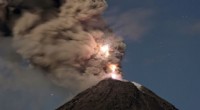
* Volcanically Active: Mid-ocean ridges are characterized by volcanic activity, as magma rises to the surface.
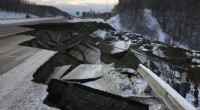
* Earthquakes: Earthquakes are also common along mid-ocean ridges, as the plates move apart.
* Hydrothermal Vents: These are openings on the seafloor where heated water and chemicals are released.
* Black Smokers: These are a specific type of hydrothermal vent that releases very hot, dark fluids rich in minerals.
Examples of Mid-Ocean Ridges:
* Mid-Atlantic Ridge: This is the longest mountain range on Earth, stretching down the middle of the Atlantic Ocean.
* East Pacific Rise: This ridge is located in the eastern Pacific Ocean.
* Iceland: This island nation is located on the Mid-Atlantic Ridge and is a prime example of volcanic activity associated with seafloor spreading.