Physical Weathering:
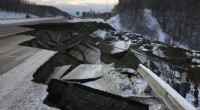
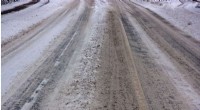
* Frost Wedging: Water seeps into cracks in rocks, freezes, expands, and widens the cracks. This repeated freezing and thawing can eventually break the rock apart.
* Abrasion: Rocks and sediments carried by wind, water, or ice grind against the mountain surface, wearing it down.
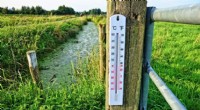
* Exfoliation: Rocks expand and contract due to temperature changes, causing layers to peel away.
Chemical Weathering:
* Dissolution: Acidic rainwater (formed from carbon dioxide in the atmosphere) can dissolve certain types of rock, such as limestone.
* Oxidation: Iron in rocks reacts with oxygen, forming rust which weakens the rock.
* Hydrolysis: Water reacts with minerals in rocks, breaking them down.
Transportation:
* Wind: Wind carries dust and sand, which can erode rock surfaces.
* Water: Rivers, streams, and glaciers carry away rock fragments and sediment, transporting them to lower elevations.
* Ice: Glaciers carve out valleys and transport massive amounts of rock debris.
Other factors that contribute to erosion:
* Gravity: Gravity pulls rock and soil downhill, contributing to landslides and other erosion events.
* Plant roots: Plant roots can break up rocks, accelerating erosion.
* Human activities: Mining, deforestation, and construction can increase erosion rates.
The rate of erosion depends on several factors:
* Climate: Areas with high rainfall or frequent freezing and thawing experience faster erosion.
* Rock type: Some rocks are more resistant to erosion than others.
* Topography: Steeper slopes and mountains experience faster erosion than flat areas.
Erosion is a continuous process, and it takes millions of years to significantly change the landscape. However, it is a powerful force that shapes the Earth's surface, shaping valleys, canyons, and other landforms.