1. Freeze-Thaw:
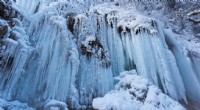
* How it works: Water expands when it freezes. If water seeps into cracks in a rock and then freezes, the expanding ice puts pressure on the rock. This repeated freezing and thawing can eventually cause the rock to crack and break apart.
* Examples: This is a common process in cold climates where temperatures fluctuate above and below freezing.
2. Abrasion:
* How it works: Rocks are worn down by the friction of other rocks, sand, or even wind-blown particles. This can happen in many ways, including:
* Wind abrasion: Wind carrying sand particles can sandblast rock surfaces.
* Water abrasion: Moving water carrying sediment can wear down rocks in river beds or along coastlines.
* Glacial abrasion: Glaciers carrying rocks and sediment can grind down the bedrock beneath them.
* Examples: Sand dunes, river valleys, and glacial valleys all show the effects of abrasion.
3. Thermal Expansion and Contraction:
* How it works: Different minerals in rocks expand and contract at different rates when exposed to heat and cold. This repeated expansion and contraction can create stresses within the rock, eventually causing it to break.
* Examples: This process is common in deserts where there are large temperature fluctuations between day and night.
4. Salt Wedging:
* How it works: When water evaporates, salt crystals can be left behind in rock pores. These crystals grow as they absorb moisture, putting pressure on the surrounding rock. This pressure can eventually cause the rock to crack.
* Examples: Salt wedging is common in coastal areas where there is a lot of salt spray.
5. Root Wedging:
* How it works: As tree roots grow, they can exert pressure on surrounding rocks, causing them to crack and break.
* Examples: This process is common in areas with abundant vegetation.
These are just a few of the physical processes that can weather rock. The specific processes that are most important in a given location will depend on the climate, geology, and other factors.