Erosion and Weathering:
* Erosion: The process of wearing away and transporting rock, soil, and other materials by wind, water, ice, or gravity.
* Weathering: The process of breaking down rocks, soil, and minerals through physical and chemical means.
How they affect islands:
* Coastal Erosion: Waves, tides, and currents can erode coastlines, shaping cliffs, beaches, and even carving out islands. This is a significant force in shaping island landscapes.
* Weathering of Headlands: Weathering can break down rock formations along coastlines, leading to the formation of caves, arches, and stacks, eventually contributing to the formation of smaller islands.
* River Erosion: Rivers can carve valleys and create deltas, which can contribute to the formation of islands in river systems.
Other ways islands form:
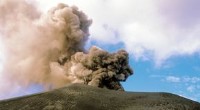
* Volcanic Activity: Volcanic eruptions can build up landmasses from the ocean floor, forming islands like Hawaii.
* Tectonic Activity: Movement of tectonic plates can create islands through processes like uplift, faulting, and volcanic activity.
* Coral Reef Formation: Coral reefs can grow and form islands over time, known as atolls.
* Sediment Deposition: Rivers, currents, and wind can deposit sediments that accumulate and form islands, often called barrier islands.
In short: While erosion and weathering play a role in shaping and modifying islands, they are not the primary force behind their initial formation. Many other geological processes are responsible for creating the diverse landscapes of islands around the world.