Precipitation, the process of water falling from the atmosphere to the Earth's surface, occurs through a fascinating journey of condensation, cooling, and gravity. Here's the breakdown:
1. Evaporation: Water on the Earth's surface (oceans, lakes, rivers, soil) absorbs heat from the sun and transforms into water vapor, rising into the atmosphere.
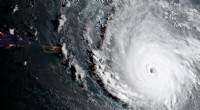
2. Condensation: As the water vapor rises, it encounters colder air. This cooling causes the vapor to condense back into tiny water droplets or ice crystals, forming clouds.
3. Cloud Formation: These droplets or crystals clump together, forming clouds of different shapes and sizes.
4. Coalescence: As the droplets grow larger through collision and merging, they become heavy enough to fall under the influence of gravity.
5. Precipitation: The droplets or ice crystals fall from the clouds as precipitation, taking various forms depending on temperature and atmospheric conditions.
The type of precipitation depends on the temperature within the cloud and the atmosphere:
* Rain: Occurs when the temperature throughout the cloud and atmosphere is above freezing (0°C or 32°F). The water droplets continue to grow and fall as rain.
* Snow: When the temperature within the cloud and atmosphere is below freezing, the water droplets freeze into ice crystals that fall as snow.
* Sleet: Forms when rain falls through a layer of freezing air, causing the droplets to freeze into small ice pellets.
* Freezing Rain: Occurs when rain falls through a layer of freezing air near the ground, causing the droplets to freeze upon contact with surfaces.
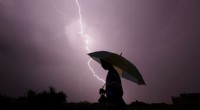
* Hail: Forms in thunderstorms when strong updrafts carry water droplets high into the atmosphere where they freeze. These ice pellets then bounce around in the storm, gathering more ice, forming hail.
Factors Affecting Precipitation Type:
Besides temperature, other factors influence the type of precipitation:
* Altitude: Higher altitudes tend to have colder temperatures, favoring snow or sleet.
* Wind: Strong winds can push clouds and affect precipitation patterns.
* Geographic Location: Different regions experience varying weather patterns, influencing the type of precipitation they receive.
Understanding how precipitation occurs and its different forms is crucial for predicting weather patterns and studying climate change.