Forces that create irregularities:
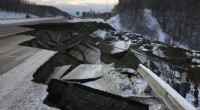
* Tectonic Activity: The movement of tectonic plates causes mountains to rise, volcanoes to erupt, and earthquakes to reshape the land. This constant activity creates dramatic changes in elevation and forms features like valleys, canyons, and plateaus.
* Volcanic Activity: Volcanic eruptions deposit lava and ash, forming new landforms like shield volcanoes, stratovolcanoes, and calderas. These features can significantly alter the landscape and add to its irregularity.
* Glacial Activity: Glaciers carve out valleys, create U-shaped valleys, and deposit glacial till, forming moraines and drumlins. This sculpting process contributes to the unevenness of the land.
* Weathering: The breakdown of rocks due to factors like temperature changes, water, and ice creates new landforms and exposes underlying rock. This process, while erosive, also contributes to the diversity and irregularity of the landscape.
Erosion's role:
* Erosion does not always level the landscape. While it wears down mountains and hills, it also transports sediment and deposits it in other locations, forming new landforms like sand dunes, deltas, and alluvial fans.
* Erosion is selective. Different rock types erode at different rates, leading to variations in landscape features. For example, hard rocks may form cliffs, while softer rocks may form valleys.
* Erosion can create new irregularities. Erosion processes like wind erosion can carve out canyons and create sand dunes, contributing to the diversity of the landscape.
The balance:
The land surface is a result of a continuous balance between forces that build up and wear down the landscape. Erosion acts as a sculptor, carving out existing features, while tectonic activity, volcanic activity, and weathering constantly introduce new landforms, creating a dynamic and ever-changing landscape. This intricate interplay ensures that the land surface remains irregular despite active erosion.