* Frost Wedging: Water seeps into cracks in rocks, freezes and expands, putting pressure on the rock. Repeated freezing and thawing can eventually cause the rock to break apart.
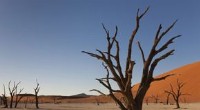
* Thermal Expansion and Contraction: Rocks expand when heated and contract when cooled. In areas with large temperature swings, this repeated expansion and contraction can weaken the rock and cause it to break.
* Abrasion: Rocks can be worn down by the grinding action of other rocks, sand, or water. This is common in areas with strong winds, glaciers, or flowing water.
* Crystal Growth: Salt crystals can grow in the pores of rocks, putting pressure on the rock and causing it to break. This is common in coastal areas or dry environments.
* Root Wedging: Tree roots can grow into cracks in rocks, exerting pressure and eventually breaking the rock apart.
* Exfoliation: As rocks are exposed at the surface, the pressure from overlying rock is released. This can cause layers of rock to peel away, like the layers of an onion.
Let me know if you would like more detail on any of these processes!