1. Igneous Rocks:
* Formation: These rocks are born from molten rock (magma or lava).
* Intrusive: Magma cools and crystallizes slowly beneath the Earth's surface, forming rocks like granite.
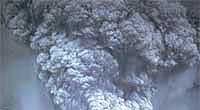
* Extrusive: Lava erupts on the surface, cools quickly, and forms rocks like basalt.
* Examples: Granite, basalt, obsidian
2. Sedimentary Rocks:
* Formation: They are formed from the accumulation of sediments (rock fragments, minerals, organic matter) that are cemented together.
* Weathering and erosion: Existing rocks are broken down by wind, water, and ice.
* Transportation: Sediments are moved by wind, water, or ice and deposited in layers.
* Compaction and cementation: Over time, the weight of overlying sediments compresses the layers and minerals dissolve in water, acting as a cement to bind the sediments together.
* Examples: Sandstone, limestone, shale
3. Metamorphic Rocks:
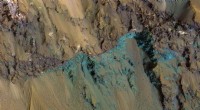
* Formation: Existing igneous or sedimentary rocks are transformed by intense heat and pressure deep within the Earth.
* Heat: From the Earth's interior or from nearby magma.
* Pressure: From the weight of overlying rocks.
* Examples: Marble (from limestone), slate (from shale), gneiss (from granite)
The Rock Cycle in Action:
* Igneous rocks can weather and erode into sediments, forming sedimentary rocks.
* Sedimentary rocks can be buried deep and subjected to heat and pressure, becoming metamorphic rocks.
* Metamorphic rocks can be uplifted to the surface and eroded, forming sediments that cycle back into sedimentary rocks.
* Both sedimentary and metamorphic rocks can melt back into magma, starting the igneous rock cycle anew.
Key Takeaways:
* Rocks are constantly changing and transforming.
* The rock cycle is a continuous and dynamic process.
* Each rock type has unique characteristics based on its formation process.