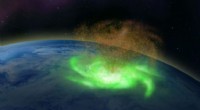
* Earth's Atmosphere: Our planet has a thick atmosphere that acts as a shield against incoming meteoroids. Smaller ones burn up as they enter, creating shooting stars. Larger ones can still make it through, but the atmosphere slows them down, reducing their impact force and the size of the resulting crater.
* Geological Activity: Earth is a geologically active planet. Tectonic plates constantly shift, erode mountains, and create new landforms. This process erases evidence of old impact craters over time.
* Erosion: Wind, rain, and ice constantly wear away at the Earth's surface. Over millions of years, craters can be significantly eroded, making them difficult to identify.
* Vegetation and Development: The Earth's surface is covered in plants and human settlements, obscuring potential craters.
However, there are still craters found on Earth!
* Well-preserved craters: Some craters are found in areas with minimal geological activity and erosion, like the Barringer Crater in Arizona.
* Subsurface evidence: Sometimes, craters are identified through geological surveys that reveal the telltale signs of a past impact, even if the surface features are gone.
So while finding craters on Earth is a challenge, it's not impossible. They offer valuable insights into the history of our planet and the bombardment it has experienced throughout its existence.