1. Igneous Environment:
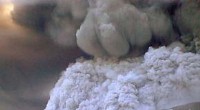
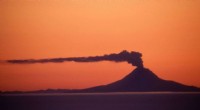
* Formation: Minerals form as molten rock (magma or lava) cools and solidifies. The cooling process allows atoms to arrange themselves into crystal structures, forming minerals.
* Mineral Example: Quartz (SiO2) is a very common mineral formed in igneous environments. It's found in a wide variety of igneous rocks, including granite and basalt.
2. Sedimentary Environment:
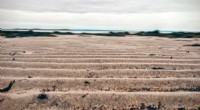
* Formation: Minerals can form in sedimentary environments through chemical reactions in water, or by the breakdown and re-crystallization of existing minerals. These processes often occur in water bodies like lakes, oceans, or even swamps.
* Mineral Example: Halite (NaCl), also known as rock salt, is a common mineral that forms in sedimentary environments. It forms as water evaporates, leaving behind dissolved salts that crystallize.