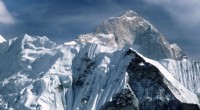
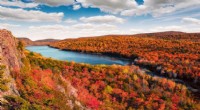
* Mountains would grow indefinitely: Without erosion to wear them down, mountains would continue to rise as tectonic plates collide and push rock upwards. Eventually, these mountains would become impossibly high, potentially impacting the Earth's climate and even disrupting tectonic activity.
* Limited sediment formation: Erosion is the primary source of sediments that form sedimentary rocks. Without it, the process of sedimentation would come to a standstill. This would have a cascading effect on the formation of many important natural resources, including oil, natural gas, and coal.
* Lack of soil formation: Erosion plays a vital role in breaking down rocks and creating soil. Without it, the Earth's surface would remain largely barren, making it impossible for plants and animals to thrive.
* Reduced nutrient cycling: Erosion transports weathered minerals and organic matter, making them available for plant growth. Without this process, nutrients would become locked within rocks, limiting the availability of essential resources for ecosystems.
* Disrupted landscape evolution: Erosion shapes landscapes by carving valleys, canyons, and coastlines. Without erosion, the Earth's surface would remain largely unchanging, with no new landforms emerging.
In short, erosion is a critical process that ensures the Earth's dynamic and ever-changing landscape. Without it, the rock cycle would stagnate, resulting in a vastly different and potentially inhospitable planet.