1. Creation of Landforms:
* Mountains: Collision zones between tectonic plates are responsible for the formation of majestic mountain ranges like the Himalayas and the Andes, shaping landscapes and influencing weather patterns.
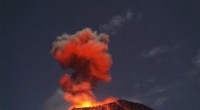
* Volcanoes: While volcanic eruptions can be destructive, they create fertile volcanic soil that supports rich ecosystems. Volcanic activity also contributes to the release of gases that enrich the atmosphere.
* Oceans: The movement of tectonic plates shapes ocean basins, creates deep trenches, and influences ocean currents, which in turn regulate global climate.
2. Mineral and Resource Formation:
* Mineral Deposits: Plate tectonics plays a key role in creating mineral deposits, such as gold, copper, and diamonds, which are crucial for our modern world.
* Fossil Fuels: The formation of sedimentary basins, where fossil fuels like oil and gas are found, is directly related to the movement of tectonic plates.
3. Biological Diversity:
* New Habitats: The creation of new landforms through plate tectonics provides diverse habitats for various species, leading to increased biodiversity.
* Island Formation: Island arcs, formed by subduction zones, serve as isolated ecosystems that allow for unique evolutionary paths and the development of endemic species.
4. Regulation of Earth's Climate:
* Volcanic Activity: Volcanic eruptions release gases like carbon dioxide, which contribute to the greenhouse effect and regulate Earth's temperature.
* Ocean Currents: Plate tectonics influences ocean currents, which distribute heat and regulate global climate patterns.
5. Long-Term Geological Processes:
* Continental Drift: The movement of tectonic plates has shaped the continents over millions of years, leading to the formation of supercontinents and their subsequent break-up, influencing the evolution of life on Earth.
6. Geological Research and Understanding:
* Studying the Earth's Interior: Plate tectonics helps us understand the structure and composition of the Earth's interior through the analysis of earthquakes, volcanic eruptions, and geological formations.
* Predicting Natural Disasters: By studying plate tectonics, we can better understand the causes and potential locations of earthquakes, volcanic eruptions, and tsunamis, helping us develop strategies for disaster mitigation and preparedness.
Overall, while plate tectonics is associated with natural disasters, its positive effects on the planet are equally significant, influencing the formation of landforms, the creation of resources, and the regulation of Earth's climate.