For Human Societies:
* Agriculture: Alluvial plains are incredibly fertile due to the deposition of rich sediments from rivers. This makes them ideal for agriculture, supporting a significant portion of the world's population.
* Urbanization: The flat, fertile land and proximity to rivers make alluvial plains attractive for settlements and urban development.
* Transportation: Rivers that flow through alluvial plains serve as important transportation routes for both people and goods.
* Water Resources: Alluvial plains often have abundant groundwater resources due to the river's deposition of sediments.
* Recreation: Many alluvial plains are home to beautiful natural landscapes, making them popular for recreation activities like hiking, fishing, and birdwatching.
For the Natural Environment:
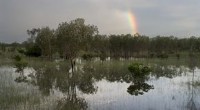
* Biodiversity: Alluvial plains often harbor a diverse range of plant and animal life due to the fertile soil and abundant water resources.
* Flood Control: The natural levees formed by rivers on alluvial plains help regulate floodwaters, protecting surrounding areas.
* Groundwater Recharge: The sediments deposited by rivers contribute to groundwater recharge, ensuring a sustainable supply of water.
* Sediment Transport: Alluvial plains act as sinks for sediments transported by rivers, preventing them from accumulating in other areas.
However, it's important to note that alluvial plains are also vulnerable to:
* Flooding: While they are naturally adapted to flooding, extreme weather events can cause catastrophic damage.
* Erosion: Human activities like deforestation and overgrazing can lead to erosion of alluvial soils, reducing their fertility.
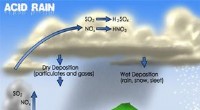
* Pollution: Pollution from industrial activities and agriculture can contaminate the water and soil of alluvial plains, impacting human health and the environment.
Overall, alluvial plains play a crucial role in both human society and the natural environment. Their sustainable management is essential for their continued productivity and resilience.