Soil:
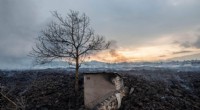
* Young Islands: Newly formed volcanic islands have little to no soil. The surface is primarily composed of volcanic rock, ash, and cinder, making it very poor in nutrients and prone to erosion.
* Mature Islands: Over time, weathering and the breakdown of volcanic rock create fertile soil, often rich in minerals like iron, magnesium, and phosphorus.
* Soil Types:
* Andisols: These soils are characteristic of volcanic regions, dark in color, rich in organic matter, and have a high water-holding capacity.
* Vertisols: Clay-rich soils that shrink and swell with changes in moisture, often found in drier volcanic areas.
* Mollisols: Deep, fertile soils found in areas with sufficient rainfall and vegetation, suitable for agriculture.
* Oxisols: Highly weathered, red-colored soils found in tropical volcanic regions, low in nutrients.
Vegetation:
* Pioneer Species: The first plants to colonize volcanic islands are hardy species like lichens, mosses, and ferns. These plants help break down the rock and create a basic soil layer.
* Succession: As soil develops, more complex plant communities emerge, including grasses, shrubs, and trees.
* Species Diversity: The diversity of vegetation on volcanic islands depends on the island's age, climate, and location.
* Tropical Islands: Lush rainforests with diverse flora like palm trees, orchids, and ferns.
* Temperate Islands: Forests dominated by conifers, hardwoods, and flowering plants.
* Arid Islands: Succulent plants, cacti, and drought-tolerant species adapted to dry conditions.
* Endemic Species: Many volcanic islands are home to unique and endemic plant species that have evolved in isolation.
Examples:
* Hawaii: Home to a variety of endemic species, including the iconic Hawaiian silversword and the endangered Hawaiian goose.
* Galapagos Islands: Famous for their unique flora and fauna, including giant tortoises, marine iguanas, and Darwin's finches.
* Iceland: Known for its moss-covered lava fields, geothermal areas, and unique alpine flora.
Challenges:
* Soil Fertility: Volcanic soils can be low in nutrients, requiring specific agricultural practices.
* Erosion: Young volcanic islands are prone to erosion due to the lack of vegetation cover.
* Invasive Species: Introduced species can threaten the native flora and fauna.
Overall, volcanic islands offer a unique combination of harsh conditions and fertile soils, leading to a fascinating array of vegetation that has adapted to these challenging environments. Studying the evolution of life on volcanic islands helps us understand the processes of ecological succession and the importance of conservation.