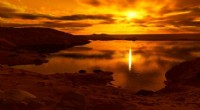
A delta is a landform created at the mouth of a river where it enters a larger body of water, like a lake or ocean. It's a dynamic landform, constantly changing due to the interplay of erosion and deposition.
Here's how it works:
1. Erosion: As a river flows, it erodes its channel, carrying sediments like sand, silt, and clay downstream. This erosion happens through abrasion (sediments scraping the riverbed) and hydraulic action (the force of water dislodging materials).
2. Transportation: The river carries these eroded sediments downstream.
3. Deposition: When the river enters a larger body of water, its velocity decreases. This decrease in speed causes the river to lose energy, and it can no longer carry the sediments. The sediments settle at the river's mouth, forming a delta.
The delta grows over time as more and more sediment is deposited. The shape of the delta depends on several factors:
* River discharge: A river with high discharge (water flow) will deposit more sediments and create a larger delta.
* River velocity: A river with a fast current carries more sediments further downstream, creating a delta further away from the river's mouth.
* Tidal currents: Tidal currents can influence the shape and distribution of sediments in a delta.
* Wave action: Waves can erode the delta and redistribute sediments, influencing its final shape.
Therefore, a delta is a fascinating example of how erosion and deposition work together to shape the landscape. The delta constantly evolves, with erosion and deposition in a delicate balance.
Some examples of famous deltas:
* The Mississippi River Delta in the United States is a large and complex delta.
* The Nile Delta in Egypt is one of the most fertile agricultural areas in the world.
* The Ganges Delta in India is another example of a large and important delta.
These deltas are not just geographic features; they are vital ecosystems providing habitat for numerous species and supporting human populations.