1. Weathering and Erosion:
* Source Rock: The journey begins with a pre-existing rock, like granite, basalt, or even older sandstone.
* Breakdown: This rock is broken down by weathering, the process of physical and chemical changes.
* Physical Weathering: Frost wedging (water freezing in cracks), abrasion (wind or water carrying sediment), and thermal expansion/contraction all contribute to breaking the rock into smaller pieces.
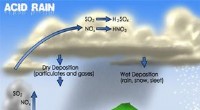
* Chemical Weathering: Acid rain, oxidation (rusting), and hydrolysis (water reacting with minerals) dissolve and alter the rock's minerals.
2. Transportation and Sorting:
* Movement: The weathered fragments, now sand-sized, are transported by wind, water, or ice.
* Sorting: During transport, particles are sorted by size and density. Heavier particles settle first, leading to layering.
* Rounding: As sand grains travel, they bump into each other and become rounded.
3. Deposition:
* Sand Accumulation: Eventually, the sand comes to rest, typically in a basin like a lake, river bed, or ocean floor.
* Layers: Sand accumulates in layers, often with different textures and compositions reflecting the environment of deposition.
4. Burial and Compaction:
* Sedimentation: Over time, more sediment is deposited on top of the sand, creating pressure.
* Compaction: The weight of overlying sediment compresses the sand grains closer together, squeezing out water and air.
5. Cementation:
* Mineral Solutions: Water percolating through the sand carries dissolved minerals like silica, calcite, or iron oxides.
* Crystallization: These minerals crystallize between the sand grains, acting like glue and binding them together.
* Solid Rock: The cemented sand grains form a solid, coherent rock – sandstone.
6. Uplift and Exposure (Optional):
* Geological Processes: Over millions of years, tectonic forces can uplift the sandstone layers, bringing them above sea level.
* Erosion and Weathering: The exposed sandstone is further weathered and eroded, shaping the landscape.
Key Points:
* Sandstone is a sedimentary rock, formed from the accumulation, burial, and cementation of sand grains.
* The composition and appearance of sandstone vary depending on the type of sand grains, the cementing minerals, and the depositional environment.
* Sandstone is a valuable resource, used in building materials, glass making, and even as a source of oil and gas.