Internal Processes:
* Plate Tectonics: This is the driving force behind many Earth features. The Earth's outer layer (the lithosphere) is divided into large plates that move slowly over the mantle.
* Collision: When two plates collide, one can slide under the other (subduction), forming trenches, volcanoes, and mountain ranges (like the Himalayas).
* Separation: When plates move apart (divergence), magma rises from the mantle, creating mid-ocean ridges, volcanoes, and rift valleys.
* Sliding: When plates slide horizontally past each other (transform faulting), it causes earthquakes and fault lines (like the San Andreas Fault).
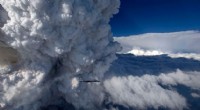
* Volcanism: Magma from the Earth's interior erupts at the surface as lava, forming volcanoes, volcanic plateaus, and islands.
* Earthquakes: Sudden movements in the Earth's crust, usually along fault lines, release energy as seismic waves, causing ground shaking.
* Erosion: This is the process of wearing away and transporting rock and soil by natural forces like wind, water, ice, and gravity.
* Weathering: The breakdown of rocks into smaller pieces.
* Transportation: Movement of weathered material.
* Deposition: The settling of eroded material in new locations, creating landforms like deltas, sand dunes, and alluvial fans.
* Glaciation: The movement of large ice sheets and glaciers can carve out valleys, create lakes, and deposit glacial till, shaping the landscape.
External Processes:
* Weather: Wind, rain, snow, and temperature variations play a major role in erosion, weathering, and the formation of landforms.
* Climate: Long-term weather patterns influence vegetation, soil formation, and the shape of the landscape.
* Human activity: Construction, mining, agriculture, and other human activities can significantly impact Earth's features.
Examples of how these processes work together:
* The Grand Canyon: This iconic canyon was formed by the Colorado River eroding the Colorado Plateau over millions of years, exposing layers of rock that tell a story of Earth's history.
* The Hawaiian Islands: These volcanic islands were formed by hot spots in the Earth's mantle, where magma rises and erupts through the ocean floor.
* The Himalayas: These towering mountains were formed by the collision of the Indian and Eurasian tectonic plates.
These are just a few examples of how Earth's features are formed. The interaction of these processes over vast time scales has shaped our planet into the dynamic and diverse place it is today.