General terms:
* Landforms: This is the most general term, encompassing any natural feature of the Earth's surface.
* Topographic features: This emphasizes the shape and elevation of the landform.
* Geomorphological features: This term highlights the processes that have shaped the landform.
More specific terms:
* Relief features: This focuses on the differences in elevation within a region.
* Terrain features: This is a broader term that can include both landforms and other features like vegetation and soil.
* Geomorphological units: This term is used in scientific studies and refers to distinct areas with similar landforms and processes.
Specific landform categories:
* Mountains: High elevations with steep slopes
* Hills: Smaller elevations with gentler slopes
* Valleys: Low areas between hills or mountains
* Plateaus: Flat, elevated areas
* Plains: Flat, low-lying areas
* Canyons: Deep, narrow valleys carved by rivers
* Deltas: Fan-shaped deposits at the mouths of rivers
* Glaciers: Large masses of ice that flow slowly
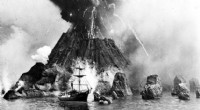
* Volcanoes: Conical mountains formed by volcanic eruptions
The best term to use depends on the specific context.