How rocks cause erosion:
* Abrasion: Rocks carried by wind, water, or ice can act like sandpaper, grinding away at other rocks and surfaces. This is particularly common in rivers, where rocks are tumbled along the riverbed, and in deserts, where sand blown by the wind can carve out rock formations.
* Impact: Falling rocks, like those from landslides or cliffs, can directly impact and break apart other rocks and soil.
* Freezing and thawing: Water that seeps into cracks in rocks can freeze and expand, putting pressure on the rock. This repeated freezing and thawing can eventually cause the rock to break apart, creating smaller pieces that can be carried away by erosion.
Examples of rock-caused erosion:
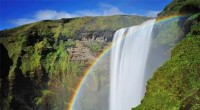
* Canyons: Canyons are often formed by the erosive power of rivers carrying rocks and sediment.
* Glacial valleys: Glaciers carry rocks and sediment, carving out valleys and leaving behind glacial deposits.
* Sand dunes: Windblown sand can erode rock surfaces and create sand dunes.
It's important to note:
* Erosion is a complex process involving many factors, including the type of rock, the climate, and the presence of other erosive agents like water and wind.
* While rocks can cause erosion, they are also a product of erosion. Rocks are broken down from larger rocks over time by various erosion processes.
So, while a stationary rock might not cause erosion, a moving rock can definitely contribute to the process.