Intrusive Rocks:
* Form inside the Earth: Intrusive igneous rocks form when magma (molten rock) cools and solidifies beneath the Earth's surface.
* Intrude into surrounding rock: This magma intrudes into existing rock layers, pushing them aside.
* Cool slowly: The slow cooling process allows for the formation of large crystals, giving these rocks a coarse-grained texture.
Extrusive Rocks:
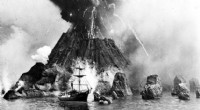
* Form on the Earth's surface: Extrusive igneous rocks are formed from lava, which is magma that has erupted onto the Earth's surface.
* Erupt and "extrudes" onto the surface: The lava "extrudes" out of volcanic vents or fissures.
* Cool rapidly: The rapid cooling process on the surface results in smaller crystals, giving these rocks a fine-grained texture.
Therefore, the terms "intrusive" and "extrusive" accurately reflect the contrasting ways in which these igneous rocks form, with one intruding into the Earth's interior and the other extruding onto its surface.