1. Weathering: This is the process of breaking down rocks into smaller pieces, without moving them. There are three main types of weathering:
* Physical weathering: This involves the mechanical breakdown of rocks due to forces like:
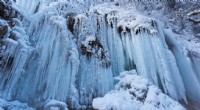
* Temperature changes: Repeated freezing and thawing of water in cracks can cause rocks to expand and contract, eventually breaking them apart.
* Abrasion: Rocks rubbing against each other due to wind, water, or ice movement can cause them to wear down.
* Plant roots: Growing roots can exert pressure on rocks, splitting them apart.
* Chemical weathering: This involves the breakdown of rocks due to chemical reactions, such as:
* Acid rain: Rainwater containing dissolved acids can dissolve certain types of rocks.
* Oxidation: Iron in rocks can react with oxygen to form rust, which weakens the rock structure.
* Hydrolysis: Water can react with minerals in rocks, breaking them down.
* Biological weathering: This involves the breakdown of rocks by living organisms, such as:
* Lichens: Lichens release acids that can dissolve rocks.
* Burrowing animals: Animals can dig into rocks, creating cracks and tunnels.
2. Erosion: This involves the transport of weathered rock material from one place to another. The main agents of erosion are:
* Wind: Wind can pick up small rock particles and carry them away, creating sand dunes and other wind-blown features.
* Water: Flowing water, in the form of rivers, streams, and waves, can erode rocks and transport sediment downstream.
* Ice: Glaciers can carve out valleys and transport huge amounts of rock material.
* Gravity: Gravity can cause rocks to fall down slopes, eroding hillsides and mountains.
It's important to note that weathering and erosion often work together. Weathering breaks down rocks into smaller pieces, making them easier to erode. Erosion then transports these pieces away, further shaping the landscape.
The specific causes of rock erosion can vary depending on the location, climate, and type of rock. For example, in dry desert areas, wind erosion is dominant, while in humid areas, water erosion is more prevalent.