Erosion:
* Definition: The process of wearing away and transporting rock, soil, and other materials from the Earth's surface.
* How it changes the surface:
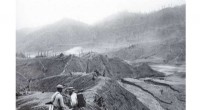
* Sculpts landforms: Erosion carves out valleys, canyons, and mesas.
* Lowers elevations: Eroded material is transported away, reducing the height of mountains and hills.
* Creates new landforms: Eroded sediment can be deposited elsewhere, forming beaches, sand dunes, and deltas.
Examples of Erosion:
* Water: Rivers carve out valleys, waves erode coastlines, and rain washes away soil.
* Wind: Wind carries sand and dust, eroding rock and shaping desert landscapes.
* Ice: Glaciers carve out valleys, erode mountains, and transport sediment.
* Gravity: Landslides and rockfalls are forms of erosion caused by gravity.
Deposition:
* Definition: The process of dropping or settling eroded material in a new location.
* How it changes the surface:
* Builds landforms: Deposition creates beaches, deltas, sand dunes, and alluvial fans.
* Raises elevations: Deposited sediment adds to the height of landforms.
* Creates new environments: Deposition can create fertile farmland or barrier islands that protect coastlines.
Examples of Deposition:
* Rivers: Rivers deposit sediment at their mouths, forming deltas.
* Wind: Wind deposits sand to form dunes.
* Glaciers: Glaciers deposit sediment as they melt, forming moraines and outwash plains.
* Waves: Waves deposit sand on beaches and create sandbars.
The Interplay of Erosion and Deposition:
Erosion and deposition are interconnected processes. Erosion provides the material for deposition, and deposition often occurs in areas where erosion is taking place. These processes work together to create the constantly changing landscapes we see around us.
Overall:
Erosion and deposition are powerful forces that shape the Earth's surface over time. They create a dynamic balance, constantly eroding old landforms and building new ones, resulting in the diverse and fascinating landscapes we see around us.