1. Weathering and Breakdown:
* Physical Weathering: Processes like freeze-thaw cycles, temperature changes, and abrasion by wind and water break down rock into smaller pieces, weakening the mountain's structure.
* Chemical Weathering: Chemical reactions involving water, oxygen, and acids dissolve and alter rock, weakening it and making it easier to erode.
2. Mass Wasting:
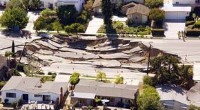
* Landslides: Gravity pulls loosened rock and soil downhill, causing rapid erosion and altering the slope.
* Creep: Slow, continuous movement of soil and rock downslope, shaping the mountain's profile.
* Rockfalls: Large pieces of rock break off and fall down steep slopes, contributing to erosion and creating talus slopes.
3. Fluvial Erosion (Rivers and Streams):
* Cutting Valleys: Rivers carve valleys into mountains, shaping the landscape and revealing underlying rock layers.
* Transportation: Rivers transport eroded material downstream, removing it from the mountain range.
4. Glacial Erosion:
* U-Shaped Valleys: Glaciers carve U-shaped valleys, which are wider and shallower than river-carved valleys.
* Cirques: Bowl-shaped depressions formed by glacial erosion at the head of a valley.
* Moraines: Ridges of debris deposited by glaciers, which can significantly change the landscape.
5. Wind Erosion:
* Abrasion: Wind-borne particles scour rock surfaces, creating unique erosional features like ventifacts and yardangs.
* Deflation: Wind removes loose particles, lowering the overall elevation of the mountain range.
Impacts of Erosion on Mountain Ranges:
* Altered Topography: Erosion shapes the mountains' peaks, slopes, and valleys, creating diverse landscapes.
* Lowering Elevation: Continuous erosion reduces mountain heights over time.
* Exposure of Bedrock: Erosion removes overlying material, revealing different rock layers and geological structures.
* Formation of Landforms: Unique erosional features, such as canyons, mesas, and plateaus, are created by various erosion processes.
* Habitat Modification: Erosion can create new habitats for plants and animals while also destroying existing ones.
Conclusion:
Erosion is a constant and dynamic force shaping mountain ranges over millennia. It plays a crucial role in shaping landscapes, influencing biodiversity, and creating unique geological features that make mountain ranges fascinating and diverse ecosystems. Understanding the processes of erosion is essential for studying the evolution of mountains and appreciating the impact of natural forces on our planet.