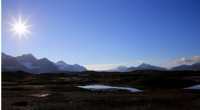
General Terms:
* Wide Valley: This is a general term that simply describes a valley with a wide floor.
* Broad Valley: Similar to "wide valley," this emphasizes the breadth of the valley floor.
* Open Valley: This term describes a valley that is not enclosed by steep slopes or mountains.
* Intermontane Valley: This term describes a valley located between mountains.
Specific Terms:
* Structural Valley: This term describes a valley formed by tectonic activity, often associated with faults or folds.
* Erosion Valley: This term describes a valley formed by the erosive power of water or wind.
* Glacial Valley: This term describes a valley shaped by the erosive power of glaciers.
* U-Shaped Valley: This term describes a valley with a characteristic U-shaped cross-section, often formed by glacial erosion.
* Graben: This term describes a valley formed by the downward movement of a block of land along faults.
Other Considerations:
* The size and scale: A small, wide floor valley might be called a "hollow" or a "draw," while a large, wide floor valley might be called a "basin" or a "depression."
* The surrounding landscape: A valley in a desert might be called a "wadi," while a valley in a mountainous region might be called a "dale."
The best term to use will depend on the specific context and the characteristics of the valley you are describing.