1. Earthquakes:
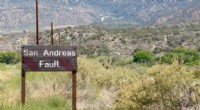
* When tectonic plates move past each other, collide, or pull apart, the rocks along the fault lines can break and slip. This sudden release of energy causes vibrations that travel through the Earth as seismic waves, resulting in earthquakes.
* The severity of an earthquake depends on the amount of energy released, the depth of the fault, and the type of fault movement.
2. Volcanoes:
* The movement of tectonic plates can create areas where molten rock, called magma, rises to the surface. This molten rock can erupt through the Earth's crust, forming volcanoes.
* Volcanoes are most commonly found at plate boundaries, where plates collide (convergent boundaries) or pull apart (divergent boundaries).
3. Mountain Ranges:
* When two continental plates collide, the immense pressure can cause the land to buckle and fold, creating mountain ranges.
* The Himalayas, the Alps, and the Andes are examples of mountain ranges formed by tectonic collisions.
4. Ocean Trenches:
* At convergent boundaries where an oceanic plate collides with a continental plate, the denser oceanic plate is subducted (pulled) beneath the continental plate.
* This subduction process creates deep trenches in the ocean floor, such as the Mariana Trench, the deepest point on Earth.
5. Seafloor Spreading:
* At divergent boundaries, where tectonic plates pull apart, magma from the Earth's mantle rises to the surface, creating new oceanic crust.
* This process, known as seafloor spreading, results in the gradual widening of ocean basins.
6. Continental Drift:
* The movement of tectonic plates over millions of years has led to the gradual drift of continents across the Earth's surface.
* This drift has resulted in the formation of supercontinents, such as Pangaea, and the current configuration of continents.
7. Mineral Deposits:
* Tectonic activity plays a crucial role in the formation of mineral deposits.
* For example, volcanic activity can create deposits of copper, gold, and other metals.
8. Geothermal Activity:
* The heat generated by tectonic activity can create geothermal areas, where hot springs, geysers, and other geothermal features occur.
* These areas can be harnessed for geothermal energy production.
9. Tsunamis:
* Large earthquakes that occur beneath the ocean floor can displace a significant amount of water, generating huge waves called tsunamis.
* These waves can travel thousands of miles across the ocean and cause devastating damage when they reach coastal areas.
Understanding the movement of tectonic plates is essential for comprehending the Earth's dynamic processes and the geological hazards that can result from them.