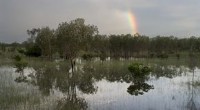
Coastal Landscape:
* Narrow Coastal Plain: The most prominent feature was a narrow, fertile coastal plain, bordered by the Mediterranean Sea to the west and the Lebanon mountain range to the east. This strip of land was ideal for agriculture, supporting vineyards, olive groves, and other crops.
* Rocky Coastline: The coastline was characterized by rocky shores, headlands, and numerous inlets, which provided excellent harbors for Phoenician ships.
* Rivers: The region was crossed by several rivers, including the Litani River, which provided freshwater and supported irrigation.
Mountain Ranges:
* Lebanon Mountain Range: The Lebanon Mountains, running parallel to the coast, provided natural defenses and a source of timber.
* Anti-Lebanon Mountains: These mountains, located further inland, created a rain shadow effect, contributing to the dry climate of the region.
Other Features:
* Mediterranean Sea: The Mediterranean Sea was a vital resource for Phoenicians, allowing them to trade with other civilizations and establish colonies throughout the region.
* Cedar Forests: The Lebanon Mountains were renowned for their cedar forests, which provided valuable timber for shipbuilding and construction.
Impact of Geography:
* Trade and Seafaring: The strategic location, with easy access to the Mediterranean Sea, fostered Phoenician trade and seafaring dominance.
* Agriculture: The fertile coastal plain supported agriculture, providing sustenance and surplus for trade.
* Defense: The mountainous terrain offered natural protection from invaders.
* Isolation: The narrow coastal plain and mountain ranges somewhat isolated the Phoenician cities, allowing them to develop their own unique culture.
In conclusion, the geographic features of Phoenicia - its narrow coastal plain, rocky coastline, mountain ranges, and proximity to the Mediterranean Sea - played a crucial role in shaping the civilization's development, economy, and cultural identity.