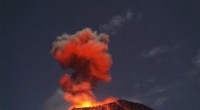
Low-silica magma, also known as mafic magma, is a type of molten rock characterized by low silica content (typically less than 52%). This composition gives it specific properties that influence its behavior and the type of volcanic eruptions it produces.
Here's a breakdown of the key characteristics:
Composition:
* Low silica content: This means it has a lower proportion of silicon dioxide compared to other types of magma.
* High in iron and magnesium: Mafic magma is richer in iron and magnesium, giving it a darker color.
* High density: It is denser than other types of magma.
Behavior:
* Fluid and mobile: Low silica content makes the magma flow more easily, leading to effusive eruptions.
* High temperatures: It tends to be hotter than other magmas.
* Fast cooling: It cools quickly due to its high density and fluidity.
Volcanic Products:
* Basalt: The most common rock type formed from low-silica magma, characterized by a dark color and fine-grained texture.
* Tholeiitic basalt: A specific type of basalt common in oceanic settings.
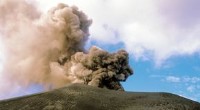
* Volcanic plateaus and shield volcanoes: These features are often formed by effusive eruptions of low-silica magma.
Examples:
* Hawaiian volcanoes: Known for their fluid lava flows and gentle eruptions, producing shield volcanoes.
* Mid-ocean ridges: Vast underwater mountain ranges where new oceanic crust is formed by continuous eruptions of low-silica magma.
* Flood basalt eruptions: Massive volcanic events that produce large-scale lava flows covering extensive areas.
In contrast to other types of magma:
* Felsic magma: High in silica, viscous, and explosive eruptions.
* Intermediate magma: Intermediate silica content, exhibiting a mix of explosive and effusive characteristics.
In conclusion, low-silica magma is a significant contributor to shaping Earth's surface, producing diverse volcanic features and contributing to the creation of new crust. Its unique characteristics drive its behavior and influence the types of volcanic eruptions and rock formations it creates.